I wonder if you have ever played that game where you try to remember objects on a tray? A feat of memory! Memory yes, but not really remembering. If you have ever played this game, I bet you are now remembering it. The fun, the laughter, the people you played it with. This is Remembering. Mentally and emotionally placing yourself back into a moment.
Remembering thoughts, feelings, smells, relationships. The difference between memory and remembering. One is simple factual recall, the other forms us as human beings.
Remembering connects us individually and collectively: telling us who we are, where we come from, and linking us to our community, our friends, and our families.
The loss of life in the Great War was dramatic, traumatic, and affected every community across our country and beyond. After the Armistice in 1918, many didn’t talk about it for years, but collectively the nation needed to remember.
The trauma and loss of life were so significant that remembering became vital. Not simply recalling a list of battles fought and campaigns won or lost, but a re-membering, of people, of lives, of relationships. The importance of lost individuals as members of the community.
Remembering each individual within a collective remembering of millions. Because those who died had value, they had innate worth. For all it is the overwhelming numbers we recall in history books, grief was for the individual.
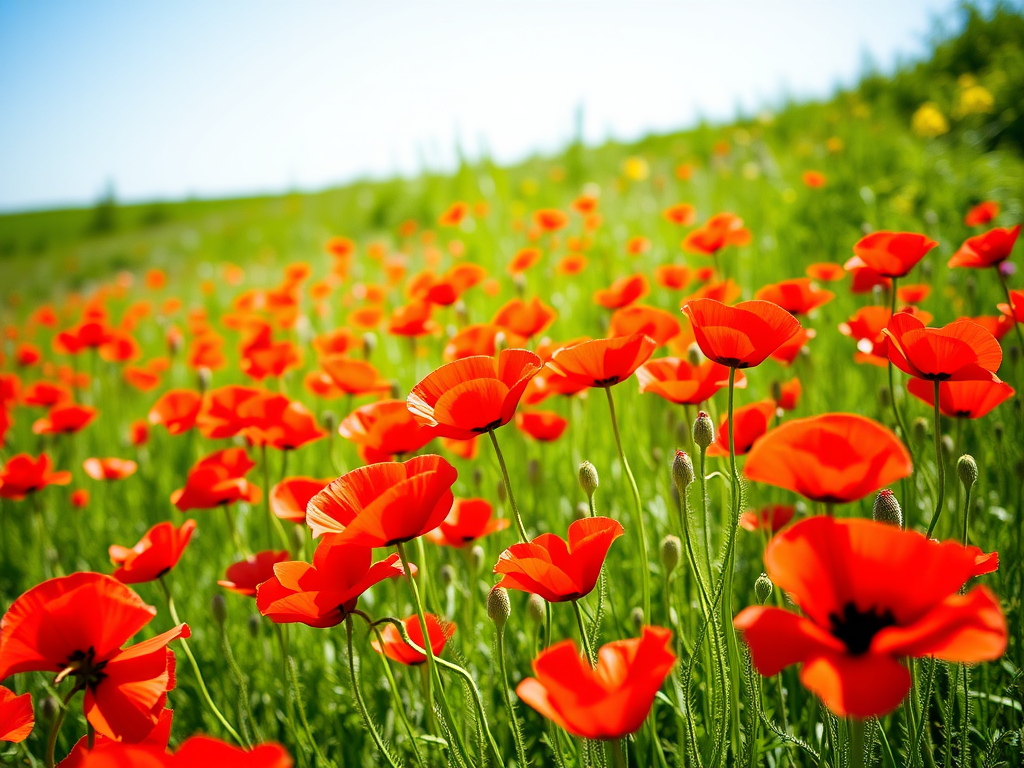
So why do we still fall silent? In 2014 I went to see the Sea of Poppies Installation at the Tower of London. I eavesdropped on the crowds’ conversations and many of them were remembering a specific family member. A family member of whom they have no ‘memory’ and yet, re-membering was still important. 100 years later a Great Niece or a Great Grandson was there, moved to tears. A treasured moment, not because of memory, but because that individual mattered within their family story. It is through remembering that generations and their stories interweave and matter. Sadly, this ‘war to end all wars’ did not end conflicts, so we also remember many who have died in conflicts since. Generations past, and indeed present, whose stories of war and its impact are remembered.
When we are in despair, we can feel that God has forgotten us. That we have been abandoned. Even Jesus on the Cross shouted out ‘My God, my God, why have you Forsaken me?’ (Mark 15.34b).
This heartfelt cry of the deep human fear of being forgotten certainly found an echo in the trenches of the First World War, and for many who have known armed conflict. The Old testament prophet, Isaiah speaks into this space. ‘Can a mother forget the babe at her breast, and have no compassion on the child she has borne? Though she may forget, I will not forget you. See I have engraved you on the palms of my hands’ (Isaiah 49: 15-16).
In the middle of desolation, forsakenness, the isolation of being forgotten, it is being remembered which gives us back our humanity, evidenced on the engraved palms of God. Remembering is a human action that helps us to feel valued. God tells us that remembering is even more a divine action that gives value to humanity.
Today is our opportunity to remember and grieve personally and collectively for the individuals from our community. Giving back our humanity in the worst of circumstances. God tells us that we matter more to him than a baby does to its mother, that remembering us is a divine action that gives value to humanity, that he is prepared to sacrifice himself for us.
Today we remember those who have also followed that command; that greater love hath no one than this, that they lay down their life for their friends. We, their friends, will remember them, and their innate worth as human beings, both to us and to God.
 Scottish Episcopal Church - Dornoch, Lairg, Brora, Tain & Tongue