Readings – Ezekiel 34.11-16 Psalm 125 2 Tim 4.1-8, 17-18 John 21.15-19
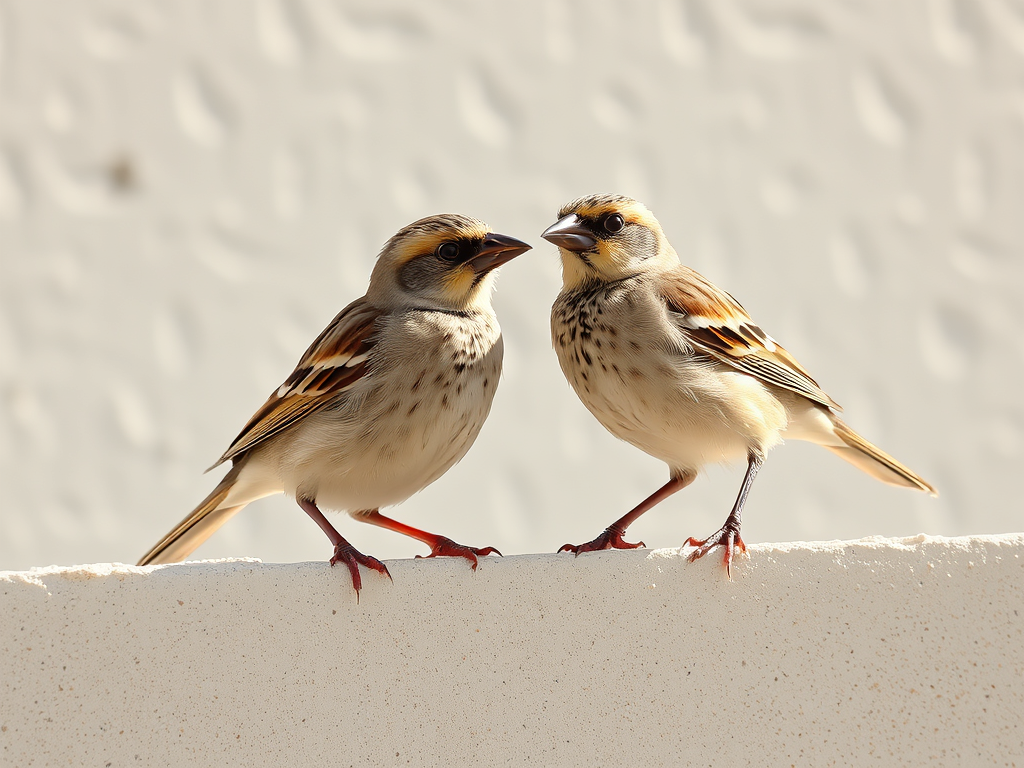
Today is the feast of St Peter and St Paul – two of the great names in the church – and I wonder what you know about each of them?
One of the first times I think I every heard their names mentioned together was in the children’s rhyme –
Two little dickie birds, sitting on a wall,
One called Peter, one called Paul,
Fly away Peter, fly away Paul,
Come back Peter, come back Paul.
Having spent a little bit of time researching the origins and meaning of this little rhyme, I have very little, save that the words imply that ‘birds of a feather, flock together’ – so Peter and Paul, followers of Christ would indeed flock together (though we know they sometimes appeared to disagree about some aspects of the faith).
And I only know one joke which features both Peter and Paul –
How did Peter and Paul cut down trees?
They used the axe of the apostles! (I can hear you groaning now)!
In the bible, we find many writings attributed to St. Paul but you know, it is worth remembering that he did not know he was writing what we now regard as Holy Scripture. The Gospel writers had some sense that they were writing to others and sharing the story of Jesus from their perspective. But St. Paul – and St. Peter, for that matter, were writing letters to churches and to individuals. They did not even think that these would be letters that would be read by people two thousand years later.
All that being said, there is much to these letters that are timeless. They are thoughts – dare I say, at times, wisdom, that can be read by us with the understanding that they are as relevant to Christians living in 2025 as they were to Christians living only decades after Jesus walked on this earth.
As I read the Epistle (our New Testament reading), which St. Paul wrote to St. Timothy, I was struck with how the words really are timeless.
St. Paul writes: “I charge you in the presence of God and of Christ Jesus who is to judge the living and the dead, and by his appearing and his kingdom: preach the word, be urgent in season and out of season, convince, rebuke, and exhort, be unfailing in patience and in teaching.”
At first, many of us might be tempted to say, “Well I don’t preach sermons – so that bit of St Paul’s writing must only be for Fr. Simon and other clergy.” But you, that is an easy cop-out.
I remember a dear priest friend of mine saying once in a sermon that our very lives may actually be the only sermon that some people ever get to experience. Now, that is a sobering thought – but if you think about it, it’s true.
One of the most popular reasons that people who do not attend church give for not coming is “They are a bunch of hypocrites!” They notice when our lives do resemble our rhetoric. So, each and every one of us here today preach a sermon through out everyday actions and behaviours – in the very lives that we lead.
And what about St. Paul’s words, “…be urgent in season and out of season, convince, rebuke, and exhort, be unfailing in patience and in teaching”? He is telling us that living the life of a Christian is not an easy one and that because there are so many different kinds of people in the world, we must be aware that the way in which we deliver the message of Jesus Christ to others is not “one size fits all”.
There are some who need to be convinced. There are others who need to be rebuked. And there are still others who need to be exhorted. And all this teaching must be done with patience – which, again, is not an easy thing.
St. Paul continues, “For the time is coming when people will not endure sound teaching, but having itching ears they will accumulate for themselves, teachers to suit their own likings and will turn away from listening to the truth and wander into myths.”
Life and its choices are certainly much easier if we can surround ourselves with people whose opinions are just like ours. This teaching of St. Paul reminds us that we cannot be so easy to think that we alone know the will of God in Christ. We must be willing to examine our own lives and choices to be sure that we have not grown “itching ears”.
This is one of those teachings which I believe should be paired with the words of Jesus in the Gospel of St. Matthew:
“Why do you see the speck that is in your brother’s eye, but does not notice the log that is in your own eye? Or how can you say to your brother, `Let me take the speck out of your eye,’ when there is the log in your own eye? You hypocrite, first take the log out of your own eye, and then you will see clearly to take the speck out of your brother’s eye.”
We must be careful to not allow ourselves to become so self-confident that we believe that we are incapable of having itching ears.
St. Paul then reminds us, once again that the life of the Christian is not an easy one when he writes:
“As for you, always be steady, endure suffering, do the work of an evangelist, fulfill your ministry. For I am already on the point of being sacrificed; the time of my departure has come.”
But this life of hard choices has its reward. St. Paul reminds us by writing:
“I have fought the good fight, I have finished the race, I have kept the faith. Henceforth there is laid up for me the crown of righteousness, which the Lord, the righteous judge, will award to me on that Day, and not only to me but also to all who have loved His appearing.”
It amazes me that a letter written by someone nearly two thousand years ago can speak to us today. But then to live a Christian life has always had its challenges. So, we must remember, each one of us, that the way we live our life, our behaviours and our actions – may well be the only sermon that someone ever experiences. AMEN.
 Scottish Episcopal Church - Dornoch, Lairg, Brora, Tain & Tongue