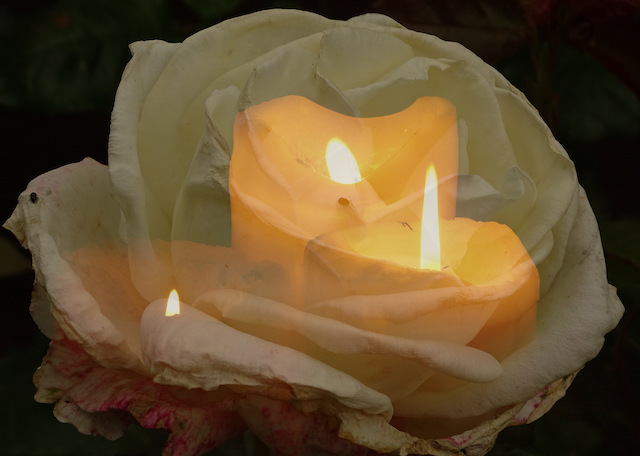
As I write we are just under half way through our Lenten journey. We have yet to arrive at Holy Week, probably the most difficult week of Lent. On Ash Wednesday we may have started with lots of good intentions to make a good lent, with perhaps a particular focus in mind. I did, but as time has gone on, many dreadful world events have distracted me, and my prayer has become increasingly centred around the plight of all those thousands of ordinary people, just like you and me, whose suffering, despair, and loss is so difficult to fully comprehend and while it has touched me deeply it has also made me deeply frustrated at our powerlessness in the face of all this awfulness.
As I reflect on these things, I take heart from the fact that Jesus Christ our Lord knows and understands what terrible suffering is like, at the hands of people who seek to dehumanise those they regard as their enemies. We have seen this dehumanisation so clearly in the actions of both Hamas and the Israeli government and IDF and also in the actions of Vladimir Putin’s forces in Ukraine and also in so many other areas of our troubled and broken world.
So in the remainder of Lent and as we approach Palm Sunday and start to recall the events of Holy Week, we have the perfect opportunity to listen and to engage with the retelling and reflect on Christ’s Passion of unimaginable cruelty.
To quote the famous words of the mediaeval mystic Mother Julian of Norwich (1342-1416), ‘And all shall be well, and all manner of thing shall be well’. But it’s very important for us not to hear Mother Julian’s words as a ‘happily ever after’ fairy-tale ending to all the dreadful and distressing things that are happening around us in the world, because they’re not and they’re not just wishful thinking either. What they do however, is to offer us a glimmer of hope and in our lenten journey, the whiff of Easter in the air. Now that’s not to say that they’re just a tea and sympathy response to all the suffering and loss causing hurt and distress to many thousands of people around the globe.
T. S. Eliot ends his poem ‘Little Gidding’ with the words ‘The fire and the rose are one’. For me the power of this image lies in the fact that both fire and rose have positive and negative effects. Fire can be a source of warmth and light, but it also has the power to destroy. Roses are flowers of incredible beauty, but their thorns can draw blood if you don’t handle them carefully.
The resurrection of Jesus Christ, doesn’t obliterate what happens to him on Good Friday. It doesn’t blot out its pain, or its darkness or its God-forsakenness, as if it never happened. What it does is it transforms it. It offers a new God-given perspective from which to view it, but it doesn’t erase it. The bruised body of a young Jewish man buried in a garden tomb on Good Friday evening still bears the marks of a crown of thorns and the cruel nails and the soldier’s spear.
The Pascal Candle that we’ll light in St Finnbarr’s between sundown on Holy Saturday and dawn on Easter Day will burn with a flame lit from the new fire of Easter; but it’ll also be pierced with five grains of incense in the shape of a cross, symbolising the wounds of the crucified Christ. ‘The fire and the rose are one’.
Blessings
James
 Scottish Episcopal Church - Dornoch, Lairg, Brora, Tain & Tongue